UDA Secretary-General Hassan Omar has appeared before the Independent Electoral and Boundaries Commission (IEBC) to respond to controversial remarks he made about deceased voters ahead of the 2027 General Election.

I Thought My Stolen Phone Was Gone Forever Until a Stranger Sent Me One Photograph That Exposed a Family Secret Overnight
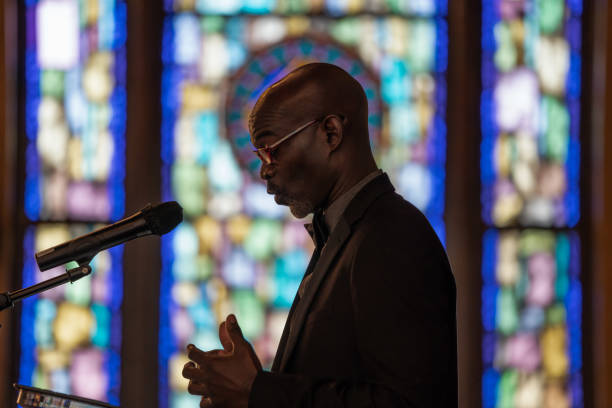
The former Mombasa Senator honoured the commission’s summons on Wednesday, October 21, following public uproar over remarks suggesting that even dead people could be used to cast votes for President William Ruto. The appearance marks a new development in a controversy that has sparked debate about electoral integrity and political rhetoric in Kenya.
I Thought My Wife Was Cheating With Our Pastor Until a Phone Exposed the Secret That Nearly Destroyed Our Marriage Again
What exactly did Hassan Omar say?
According to People Daily, Omar made the remarks during a political rally in Mombasa County on September 11, 2026.

I Thought My Children Had Stopped Speaking to Me Until a Hearing Test Revealed Why I Had Missed Their Words for Years
He reportedly said:
“Hata mtu akiwa amekufa tuchukuwe kidole chake kabla hatujamzika kutoka kwa ile BVR tupige kura yake.”
The statement was translated as suggesting that a deceased person’s finger could be used with the biometric voter registration system to cast a ballot. The remarks attracted criticism and concerns about the credibility of the electoral process.
How Hassan Omar defended himself
On September 15, Omar said his remarks had been taken out of context. He maintained that he was speaking metaphorically about mobilising supporters to turn out in large numbers for the 2027 election, rather than advocating that deceased people actually vote.
The bigger question: Can dead voters actually vote?
The controversy has renewed scrutiny of Kenya’s voter register ahead of the 2027 General Election. Citizen Digital reported that a KPMG audit conducted ahead of the 2022 election identified 246,465 deceased voters among 22.5 million records in the voter database. The presence of deceased persons’ names in a register does not, by itself, establish that votes were cast in their names.