A fresh legal battle is shaping up ahead of Kenya’s 2027 General Election after opposition leaders and electoral reform campaigners moved to challenge the continued use of the National Tallying Centre for further verification and re-tallying of presidential election results.

I Thought My Stolen Phone Was Gone Forever Until a Stranger Sent Me One Photograph That Exposed a Family Secret Overnight
The dispute follows a High Court decision that upheld the legality of national tallying and verification, but imposed strict limits on what the Independent Electoral and Boundaries Commission (IEBC) can do with figures already declared at constituency level.
I Thought My Wife Was Cheating With Our Pastor Until a Phone Exposed the Secret That Nearly Destroyed Our Marriage Again
The ruling has now opened another chapter in the controversy, with the People’s Coalition on Electoral Reforms indicating that it will appeal the decision at the Court of Appeal. The Standard

I Thought My Children Had Stopped Speaking to Me Until a Hearing Test Revealed Why I Had Missed Their Words for Years
Opposition wants national re-tallying abolished
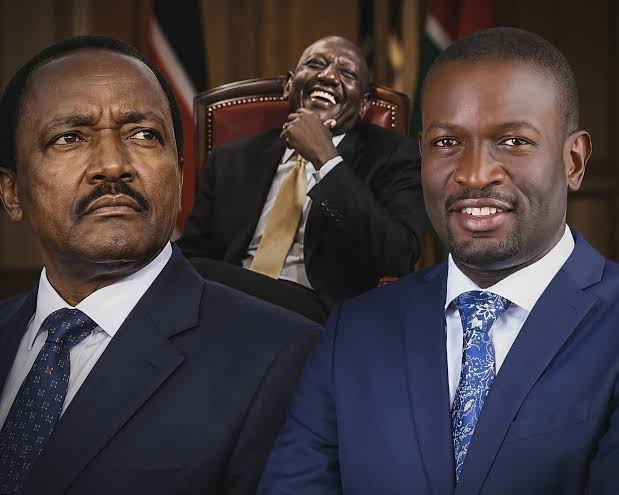
The petitioners, including Busia Senator Okiya Omtatah and opposition figures such as Kalonzo Musyoka, Rigathi Gachagua and Fred Matiang’i, had challenged the legality of further verification of presidential results after they have been declared and certified at constituency level.
Their argument is that the Constitution makes the polling station and constituency levels central to the counting, tallying and verification process and that the IEBC should not create another layer where already declared results can effectively be re-tallied.
Former Chief Justice David Maraga and the People’s Coalition have also demanded the abolition of the National Tallying Centre at Bomas of Kenya, arguing that the Constitution does not expressly establish a national centre where presidential results can be re-tallied.
The reform campaigners have particularly relied on the principle established in the Maina Kiai case that results declared at the constituency level are final and cannot simply be changed administratively by electoral officials.
High Court, however, says national tallying is constitutional
Justice Gregory Mutai rejected the attempt to eliminate national tallying and verification.
The judge ruled that the IEBC is constitutionally required to tally and verify presidential results at the national level before determining whether a candidate has attained the constitutional threshold required to become President.
However, the ruling did not give the IEBC a free hand to change constituency results.
Instead, the judge drew a clear distinction between tallying and verification on one side and altering certified results on the other.
According to the ruling, national tallying involves mathematically aggregating the results from Kenya’s 290 constituencies, while verification involves checking whether the aggregated figures correspond with the results that were declared and certified at constituency level.
The IEBC cannot use that process to add, subtract, cancel or otherwise revise individual constituency figures.
So how will the President be declared the winner?
The court’s interpretation provides a clearer picture of the process expected in 2027.
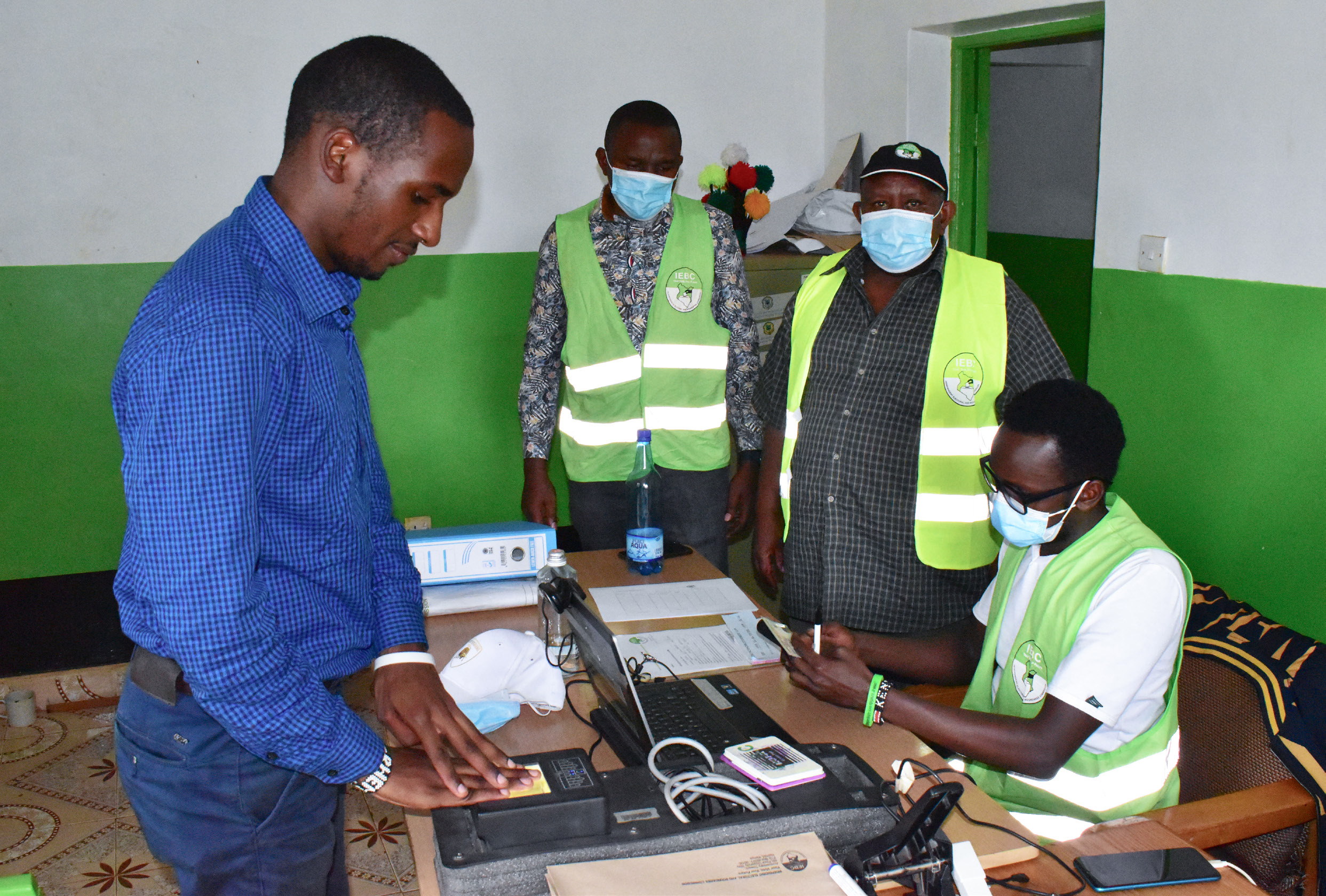
First, votes will be counted at polling stations and the results recorded and announced there.
The results will then move through the constituency process, where constituency returning officers will tally and certify the presidential results.
Those certified constituency figures will then be aggregated nationally.
At the National Tallying Centre, the IEBC will verify that the national figures correspond with the certified constituency results and determine whether one presidential candidate has met the constitutional requirements for election.
The final declaration will then be made by the IEBC chairperson.
Importantly, the national process is not supposed to become a second election or a fresh recount of every constituency result.
The High Court expressly stated that results already certified at constituency level are final and can only be challenged before an election court.